If you run a small farm, you already know the truth: every hour matters, every dollar matters, and every acre matters. You don’t have a fleet of tractors or a team of agronomists. Most days, it’s just you, maybe a partner, maybe a couple of helping hands, and a long list of things that needed doing yesterday.
That’s exactly why drones—once seen as toys or tools for giant corporate farms—are becoming surprisingly useful on small operations. They don’t replace the farmer; they just make the farmer’s life a little easier.
Seeing the Whole Farm Without Leaving Your Boots
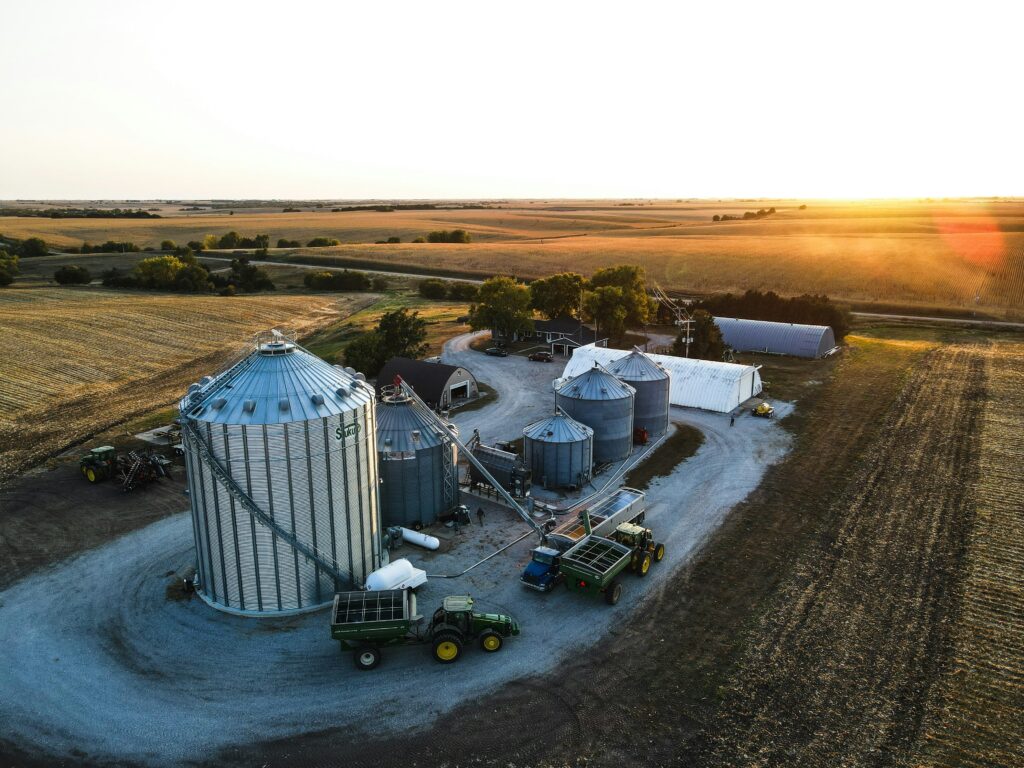
On a small farm, you probably walk your fields often. But even a 10‑acre plot can hide problems you won’t spot from the ground. A drone gives you a quick flyover so you can see:
- Patches where crops look stressed
- Areas where weeds are taking over
- Spots where irrigation isn’t reaching
- Fence lines that need repair
It’s like climbing onto a 300‑foot ladder without actually climbing anything.
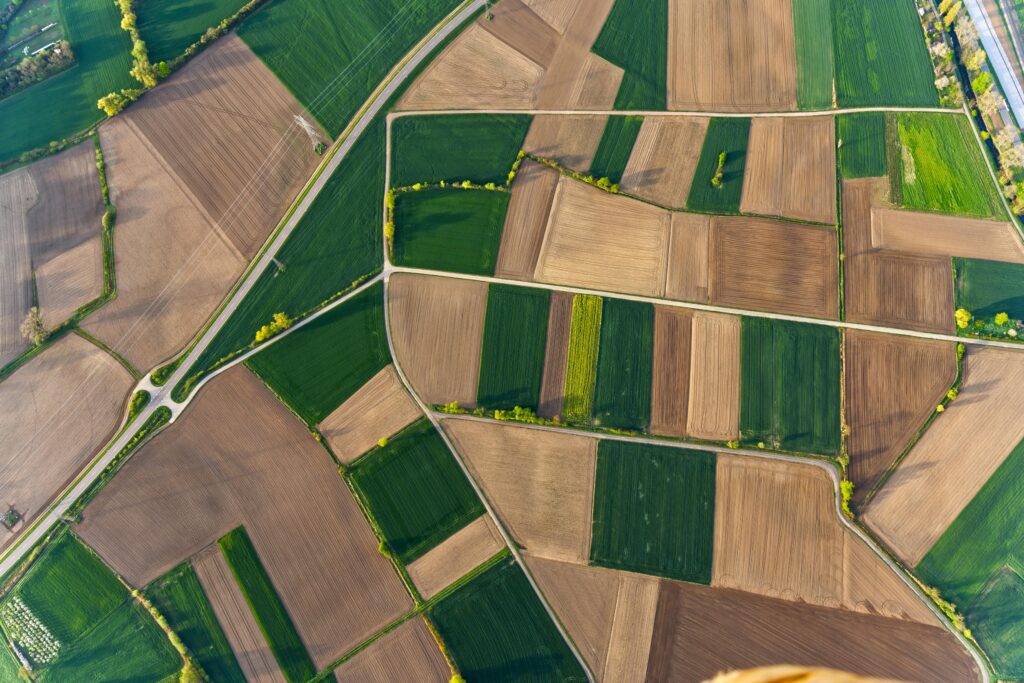
Photo by Marshal Cole
Catching Problems Before They Become Expensive
Small farms don’t have the luxury of losing a few acres to pests or disease. A drone helps you catch trouble early—sometimes days or weeks earlier than you’d notice on foot.
A quick flight after a storm can show you:
- Flooded areas
- Wind damage
- Washed‑out soil
- Broken irrigation lines
That early warning can save a crop, which on a small farm can mean saving the season.
Mapping and planning without expensive software
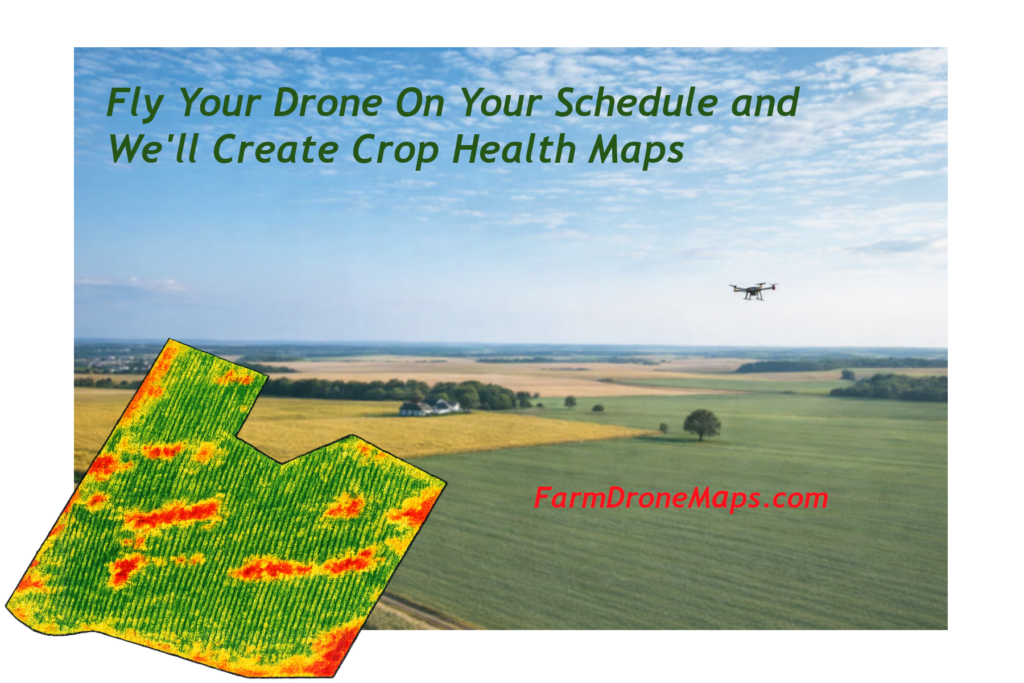
Companies like Farm Drone Maps help you:
- Plan where to plant next season
- Track how different areas perform
- Decide where to add compost or fertilizer
- Understand how water flows across your land
It’s practical, not complicated—just a smarter way to look at your fields.
Livestock Check‑Ins Made Easy
If you’ve got animals on pasture, a drone can save you a lot of walking. You can quickly check:
- Where the herd is grazing
- Whether any animals are separated or stuck
- If fences are down
- If predators are lurking around
It’s especially handy for hilly or wooded land where visibility is limited.
Saving Time, Not Replacing Tradition
Small farms are built on hands‑on work, intuition, and experience. A drone doesn’t change that. It just gives you another tool—one that saves time, reduces guesswork, and helps you make decisions with confidence.
Think of it like adding a pocketknife to your toolbox. You don’t need it every day, but when you do, it’s incredibly handy.